Our deck overlooks a busy street and I always felt exposed sitting out there. The team at Privacy Shade recommended the 1% openness fabric for our situation and it was exactly the right call — we have complete privacy from the street but the screen still lets in filtered light and doesn't make the deck feel like a cave. The grey colour blends beautifully with our dark-stained cedar railing. We've already recommended them to three neighbours.
Application Guide
Deck Roll-Up Privacy Screens in Toronto and the GTA
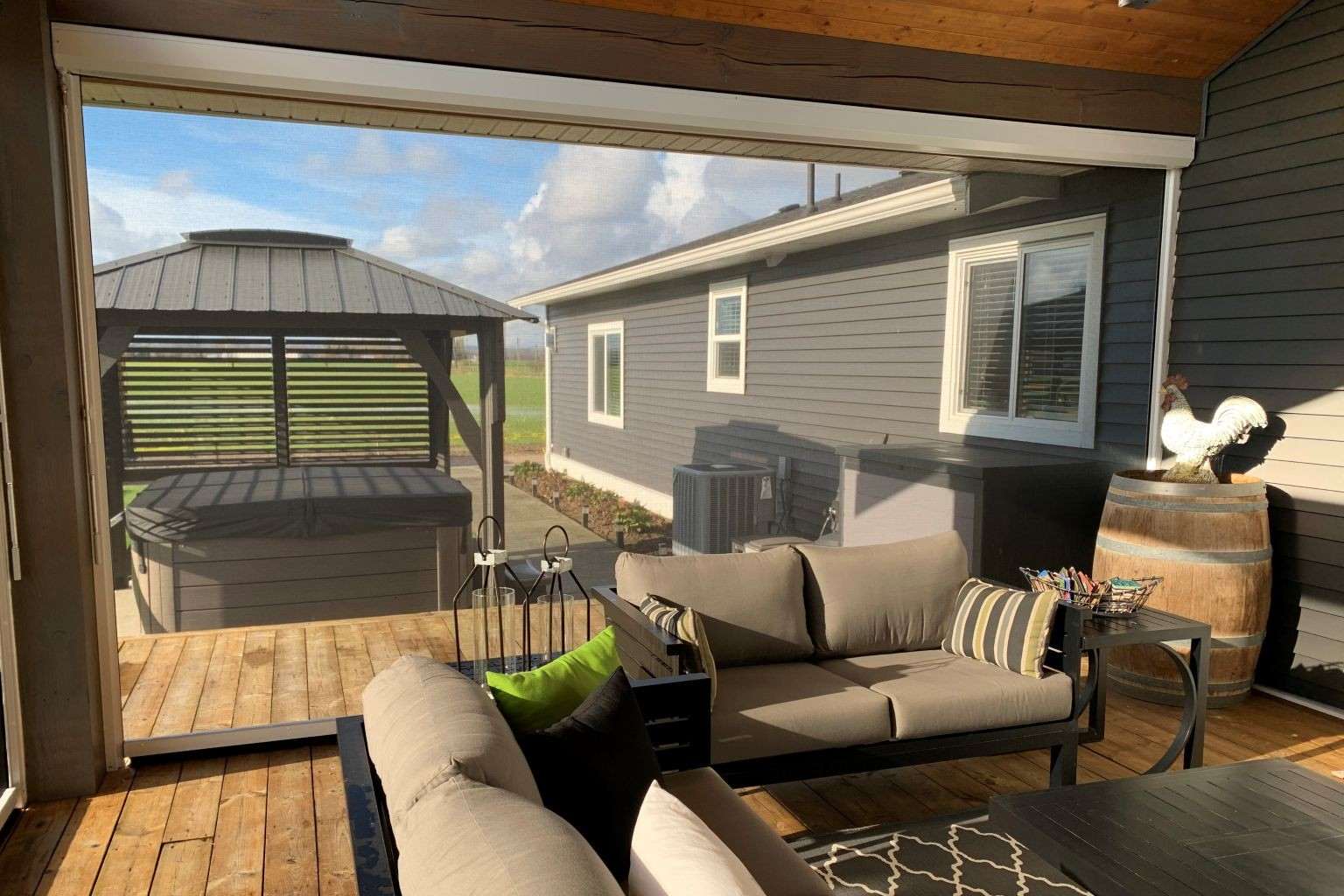
Decks often need side protection more than overhead shade. Privacy screens help when the real issue is wind, neighbour exposure, or late-day sun hitting an elevated outdoor space from the side.
Why Decks Often Need Screens
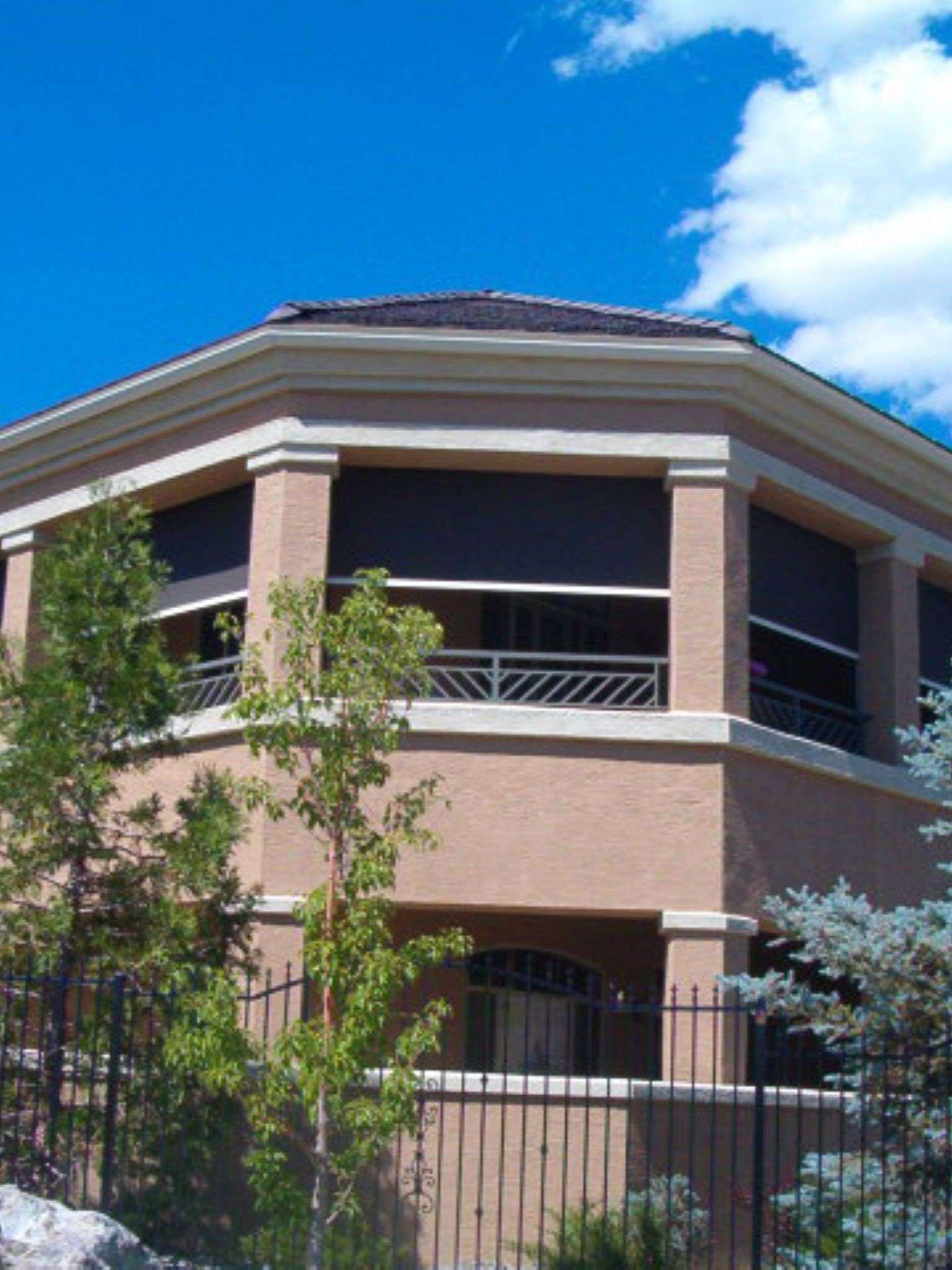
Decks are usually more exposed than patios. They sit above grade, they are open on more than one side, and they often take on stronger wind and longer sightlines from neighbouring homes.
That is why privacy screens work so well on decks. They close the sides that actually cause the comfort problem without turning the whole structure into a permanent enclosure.
A deck screen can be planned for one side, two sides, or a broader wrap depending on where the sun, wind, and overlooking are coming from.
Across Toronto infill neighbourhoods, Vaughan executive backyards, and tighter Thornhill and Markham lots, raised decks often need screening because fences do not solve second-storey views or deck-to-deck exposure.
Why This Page Matters
Why Deck Screen Projects Move Forward Quickly
The strongest deck projects usually have one clear exposure problem, a defined mounting edge, and a fabric choice matched to privacy plus airflow.
Exposure Happens at Deck Height
Raised decks often need full-height screening because neighbour sightlines come from other decks, rear windows, and sloped yards rather than from grade level.
Fabrics Change the Feel of the Deck
Some deck projects want a balanced 5 percent fabric, while others need denser privacy or a more open mesh if airflow matters more than screening.
Grouped Control Matters on Larger Decks
When the deck needs more than one panel, motorization often makes the system practical enough to use every day instead of only occasionally.
Measured to the Actual Structure
Posts, fascia details, railing conditions, and nearby stairs all affect the right layout, which is why we confirm the setup during the site visit.
What Homeowners Usually Say After Installation
-
-
We got two deck screens installed to block the view from an elevated neighbour's yard — our backyard has a slope and we're always visible from next door. The 3% charcoal screens solved it completely. What I appreciated most was that the sales and installation team were the same people — no miscommunication, no surprises. They took careful measurements and the finished product fit exactly as described. Would absolutely use them again and already have a quote in for a third screen.
-
I went with the motorized Somfy option and it was 100% worth the upgrade. I tap a button on my phone and the screens deploy — I can even set them to drop automatically when the sun hits my west-facing patio in the afternoon. The quality of the hardware is noticeably better than what I'd seen from other suppliers; the aluminium housing is solid and the fabric rolls up perfectly flush every time. Privacy Shade was professional from the first measurement visit through to installation.
Why Deck Owners Choose Roll-Up Privacy Screens
Deck projects usually need better side protection, not a permanent wall.
Block Elevated Sightlines
A fence at grade does not solve the view from neighbouring second-storey windows or adjacent raised decks. A retractable screen works at the level where the exposure is actually happening.
Reduce Wind on Open Decks
Raised decks catch more wind than sheltered patios. A properly planned screen helps calm the seating area so the deck feels usable for longer stretches of the day.
Control Harsh Late-Day Sun
If the glare and heat are coming from the side, a privacy screen usually solves the problem more directly than an awning would.
Keep the Deck Flexible
The screens retract when you want the view and open feel back, so the deck still works as an outdoor space instead of a permanently closed room.
Fabric Options for Your Space
Each fabric performs differently across privacy, view-through, airflow, and UV blocking. We help you choose the right option for the way the space is used.
TuffScreen
Insect & weather protection
45%
Openness
Heavy-duty insect mesh with maximum airflow. Neighbours can see through clearly, so privacy is not a feature of this fabric.
Privacy
Low
View Through
High
Airflow
Maximum
UV Blocking
55%
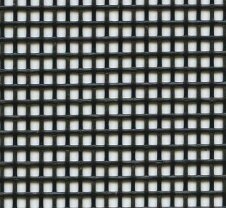
45% Openness
Recommended:
- Screened-in porch
- Cottage deck
- Gazebo ventilation
SunTex 90
Solar & light control
10%
Openness
Balanced solar screen that cuts heat and glare while preserving reasonable outward visibility from inside the space.
Privacy
Some
View Through
Medium
Airflow
Low
UV Blocking
90%
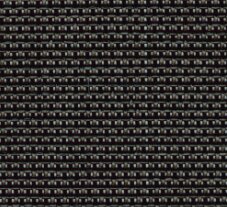
10% Openness
Recommended:
- Sun-exposed patio
- West-facing deck
- Open backyards
SunTex 95
Best all-around choice
5%
Openness
Our most popular fabric with solid daytime privacy, excellent UV blocking, and a comfortable filtered-light quality inside.
Privacy
High
View Through
Low
Airflow
Minimal
UV Blocking
95%
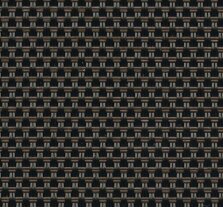
5% Openness
Recommended:
- Backyard patio
- Pergola enclosure
- Residential deck
SheerWeave 4800
Maximum privacy
1%
Openness
Near-opaque daytime privacy with softly diffused interior light. Neighbours cannot make out occupants or furnishings.
Privacy
Maximum
View Through
Minimal
Airflow
None
UV Blocking
99%
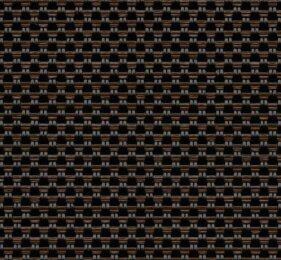
1% Openness
Recommended:
- Urban patio
- Balcony privacy
- Street-facing porch
Soltis Proof 502
Day & night privacy
0%
Openness
Fully opaque fabric that provides complete visual blackout and total weather enclosure from either side, day or night.
Privacy
Maximum
View Through
None
Airflow
None
UV Blocking
100%
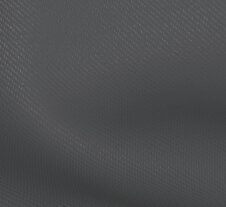
0% Openness
Recommended:
- Day/night privacy
- Complete blackout
- Weather protection
PanoramaFR
Preserve your view
0%
Openness
Near-clear enclosure that preserves your view while blocking weather and UV. Fire rated.
Privacy
None
View Through
Maximum
Airflow
None
UV Blocking
<98%
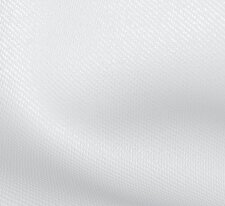
0% Openness
Recommended:
- Waterfront / scenic view
- Weather enclosure
- Fire-rated applications
How It Works
How We Plan a Deck Screen Project
-
Identify the Problem Sides
We start with the real exposure pattern: which side faces the neighbours, which side takes the wind, and where the harshest sun enters the deck.
-
Check Posts, Fascia, and Rail Conditions
Next we review the mounting conditions so the screens fit the actual deck structure cleanly and without awkward compromises.
-
Choose Fabric and Controls
We help narrow the right fabric around privacy, airflow, and glare control, then confirm whether manual or motorized operation makes more sense for the layout.
-
Install for Daily Use
The finished system is built around the way the deck is actually used, not just around the opening dimensions on paper.
Latest Articles
These are the newest Privacy Shade articles if you want a bit more context before deciding.
-
How to Choose a Privacy Screen Fabric: A Guide to All 6 Options
The right privacy screen fabric depends on what you are solving — airflow, heat, glare, daytime privacy, full blackout, or view preservation. Here is how all 6 fabrics compare.
-
Retractable Privacy Screen Costs in Toronto and the GTA 2026
Installed prices for retractable privacy screens in Toronto typically start near $800 for a manual screen and $1,600 for a motorized one. Six factors explain where a quote lands inside the range.
-
Outdoor Curtains vs. Retractable Privacy Screens: Which One Lasts?
Outdoor curtains appeal on price. Retractable screens win on durability, weather resistance, and total cost of ownership over two to three seasons.
Other Privacy Screen Applications
-
Patio Privacy Screens
A better comparison when the space is at grade and the main issue is neighbour sightlines around a patio.
-
Pergola Privacy Screens
A strong fit when the deck already has an overhead structure and the sides need retractable protection.
-
Balcony Privacy Screens
Useful for tighter elevated outdoor spaces that need privacy and wind buffering without permanent side walls.

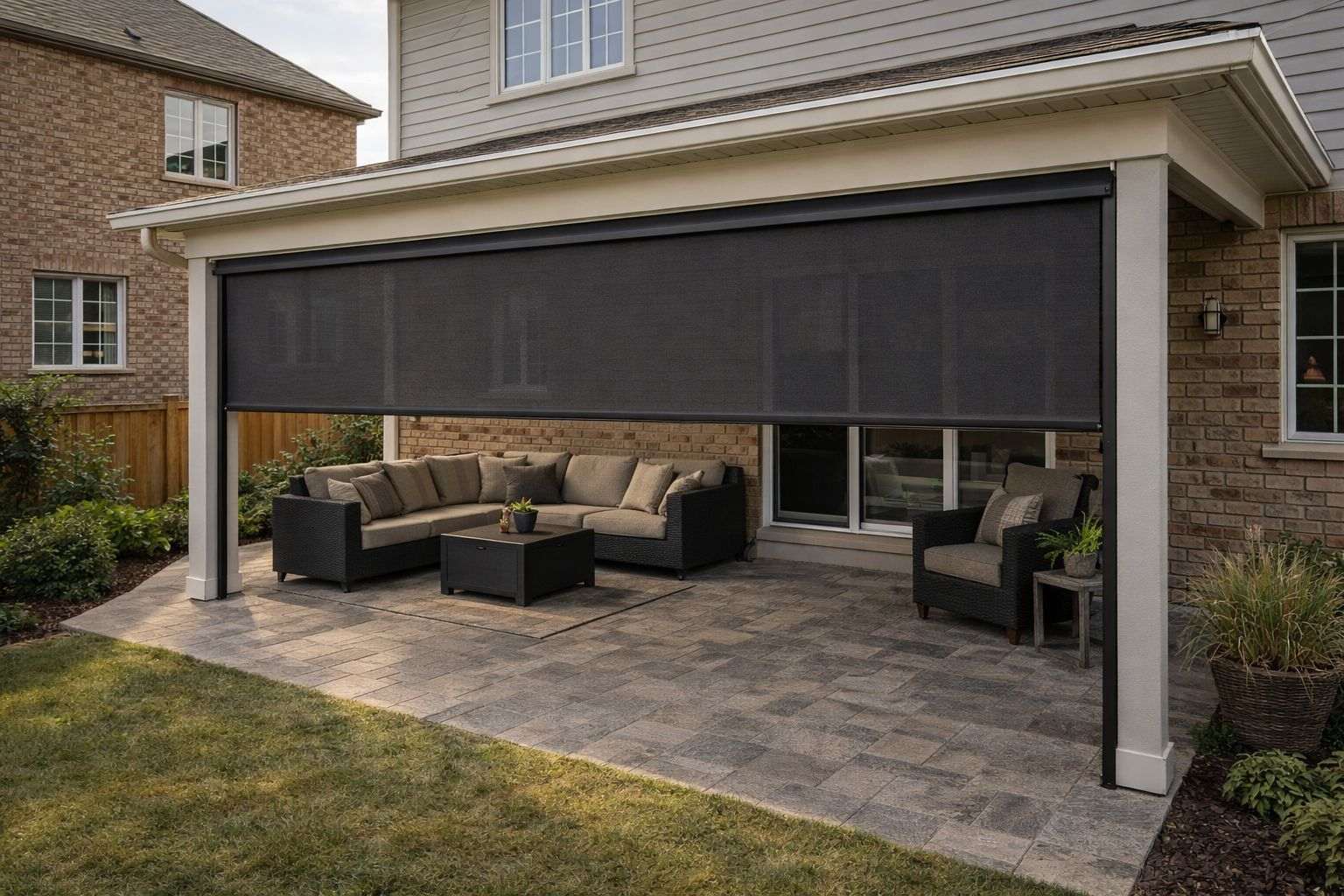
Common Questions
Deck Privacy Screen FAQs
Can you screen more than one side of a deck?
Yes. Many deck projects use two or three screens depending on which faces take the worst wind, sun, or neighbour exposure.
Are deck screens only for raised decks?
No. They work on raised and ground-level decks, but they are especially helpful on elevated decks where the exposure is harder to solve with fencing alone.
When is motorization worth it on a deck?
Motorization is usually worth it when the deck needs multiple panels or when the screens are large enough that grouped control will matter in daily use.
Will a deck screen also solve overhead shade?
Not by itself. A screen is best for side privacy, wind, and low-angle sun. If the main issue is overhead exposure, an awning may be the better companion product.
See What a Deck Screen Setup Should Look Like
Send photos and rough measurements and we can help you decide which deck sides should be screened, what fabric fits best, and whether manual or motorized control makes more sense.