Commercial Application

Restaurant Roll-Up Privacy Screens in Toronto and the GTA

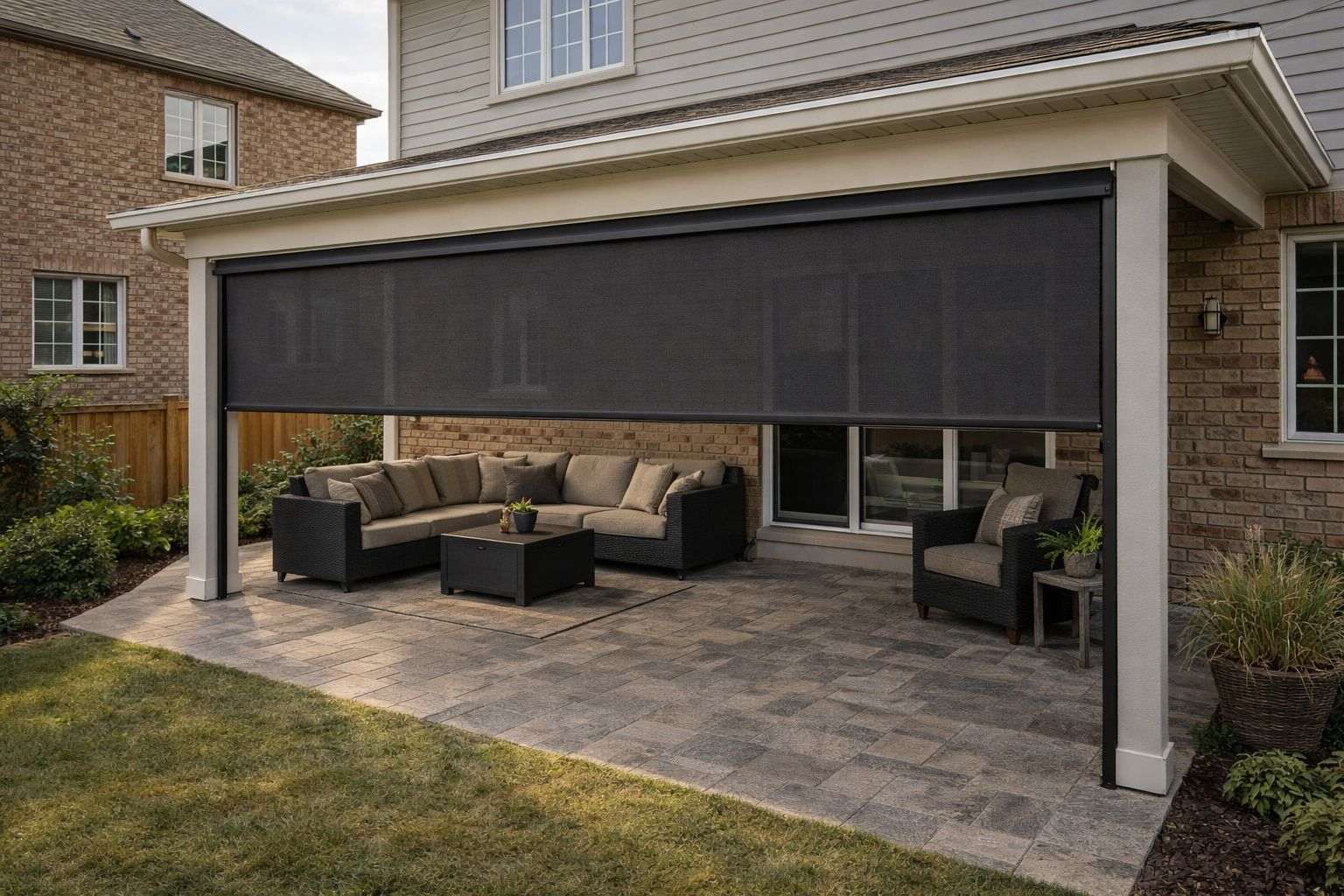
Commercial retractable screens for restaurant patios, sidewalk dining sections, and licensed outdoor seating. Improve guest comfort, soften street exposure, and make the patio easier to use through more of the season.

Restaurant Patio Privacy and Comfort

Restaurant patios work best when they feel sheltered, comfortable, and intentionally defined. Retractable privacy screens help create that feeling without locking the patio into a permanent enclosure.

They give operators better control over wind, glare, street exposure, and daily patio setup while keeping the space flexible for changing service conditions.

How Restaurant Patio Projects Typically Work

Patio Season Economics and Daily Service Realities

In Ontario, restaurant patio season effectively runs from May through October, which means any patio investment has to earn its return inside roughly a six-month window. Retractable privacy screens make a meaningful difference to how many of those seating days are actually usable. They block the low-angle afternoon sun that makes west-facing tables too hot to seat, cut the wind that shortens shoulder-season service, and soften the visual exposure to streets and parking lots that often prevents guests from choosing the edge tables at all.

Operationally, restaurant screens are usually specified as motorized grouped systems because service teams need to set the patio quickly at the start of service and close it just as quickly at the end of the night, sometimes multiple times per week in early and late season weather. A single grouped-control press is much more realistic for a busy shift than individually adjusting several manual bays.

Where patios are licensed, screens can also provide the clean physical boundary that helps define the licensed perimeter without committing to heavy permanent partitions that complicate off-season storage or winter operation. We recommend confirming the specific boundary requirements with your municipality or AGCO before specifying the system, and we design the layout to suit those boundaries during the site visit.
Why Restaurant Operators Choose Retractable Screens

Better Guest Comfort

Reduce harsh sun, wind, and street exposure so more tables stay comfortable through lunch and dinner service.

Flexible Patio Control

Lower one side, close the full edge, or retract everything completely depending on the weather and service flow.

Cleaner Than Fixed Barriers

Define the patio without heavy permanent partitions that make the space feel closed off year-round.

Commercial-Ready Operation

Motorized grouped controls make daily opening, service adjustments, and closing much easier for staff.

System Options

Manual and Motorized Restaurant Patio Screens

Manual Roll-Up Screens

Manual systems can work for smaller restaurant patios with one or two screen openings and a clear daily setup routine. They avoid electrical work and keep the upfront cost lower.

They make the most sense when a manager or owner is directly handling patio setup and the screen positions do not need to change frequently during service.


Fabric Options for Your Space

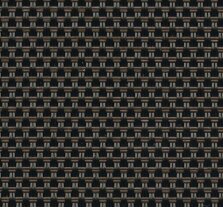
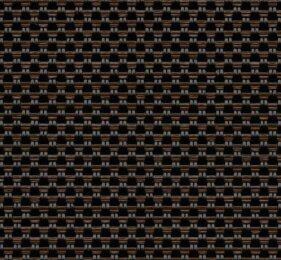
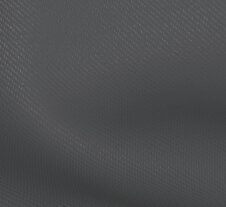
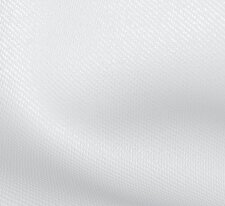
Each fabric performs differently across privacy, view-through, airflow, and UV blocking. We help you choose the right option for the way the space is used.

TuffScreen

Insect & weather protection
45% Openness

Heavy-duty insect mesh with maximum airflow. Neighbours can see through clearly, so privacy is not a feature of this fabric.

Privacy Low
View Through High
Airflow Maximum
UV Blocking 55%

45% Openness

Recommended:

  • Screened-in porch
  • Cottage deck
  • Gazebo ventilation
View Fabric Details

SunTex 90

Solar & light control
10% Openness

Balanced solar screen that cuts heat and glare while preserving reasonable outward visibility from inside the space.

Privacy Some
View Through Medium
Airflow Low
UV Blocking 90%

10% Openness

Recommended:

  • Sun-exposed patio
  • West-facing deck
  • Open backyards
View Fabric Details

SunTex 95

Best all-around choice
5% Openness

Our most popular fabric with solid daytime privacy, excellent UV blocking, and a comfortable filtered-light quality inside.

Privacy High
View Through Low
Airflow Minimal
UV Blocking 95%

5% Openness

Recommended:

  • Backyard patio
  • Pergola enclosure
  • Residential deck
View Fabric Details

SheerWeave 4800

Maximum privacy
1% Openness

Near-opaque daytime privacy with softly diffused interior light. Neighbours cannot make out occupants or furnishings.

Privacy Maximum
View Through Minimal
Airflow None
UV Blocking 99%

1% Openness

Recommended:

  • Urban patio
  • Balcony privacy
  • Street-facing porch
View Fabric Details

Soltis Proof 502

Day & night privacy
0% Openness

Fully opaque fabric that provides complete visual blackout and total weather enclosure from either side, day or night.

Privacy Maximum
View Through None
Airflow None
UV Blocking 100%

0% Openness

Recommended:

  • Day/night privacy
  • Complete blackout
  • Weather protection
View Fabric Details

PanoramaFR

Preserve your view
0% Openness

Near-clear enclosure that preserves your view while blocking weather and UV. Fire rated.

Privacy None
View Through Maximum
Airflow None
UV Blocking <98%

0% Openness

Recommended:

  • Waterfront / scenic view
  • Weather enclosure
  • Fire-rated applications
View Fabric Details

How It Works

The Restaurant Patio Screen Process

  1. Tell Us About the Patio

    We start with the patio layout, structure, exposure, and how your team currently uses the space during service.

  2. On-Site Review and Measurement

    We measure the openings, review mounting conditions, and confirm whether the project needs coordination with a landlord, contractor, or patio build team.

  3. Custom Manufacturing

    Screens are built to the exact patio openings, with the right cassette size, fabric, and control method for commercial use.

  4. Installation and Handover

    We install the full system, test every screen, and show your team how to operate the patio efficiently before service begins.

Common Questions

Restaurant Privacy Screen FAQs

Are restaurant patio screens usually manual or motorized?

For most restaurant patios, motorized is the better long-term choice. Staff can operate multiple screens quickly and consistently, which is much more practical during opening, service changes, and closing.

What fabric is most popular for restaurant patios?

A 3 percent or 5 percent solar fabric in charcoal or grey is usually the strongest fit. It balances heat control, outward visibility for guests, and improved privacy from the street or neighbouring properties.

Can the patio stay open with the screens partially lowered?

Yes. That is one of the main advantages of retractable systems. Many operators use partial drops to control glare or wind while keeping the patio open and visually welcoming.

Do you work with existing patio structures and commercial contractors?

Yes. We regularly work with existing pergolas, awnings, patio frames, and commercial builds. We measure around the actual conditions on site and coordinate the screen system to suit the structure you have.

Make Your Restaurant Patio More Usable

We design retractable screen systems around real patio service conditions, from guest comfort and wind control to daily opening and closing routines.