Institutional Application

School Roll-Up Privacy Screens in Toronto and the GTA

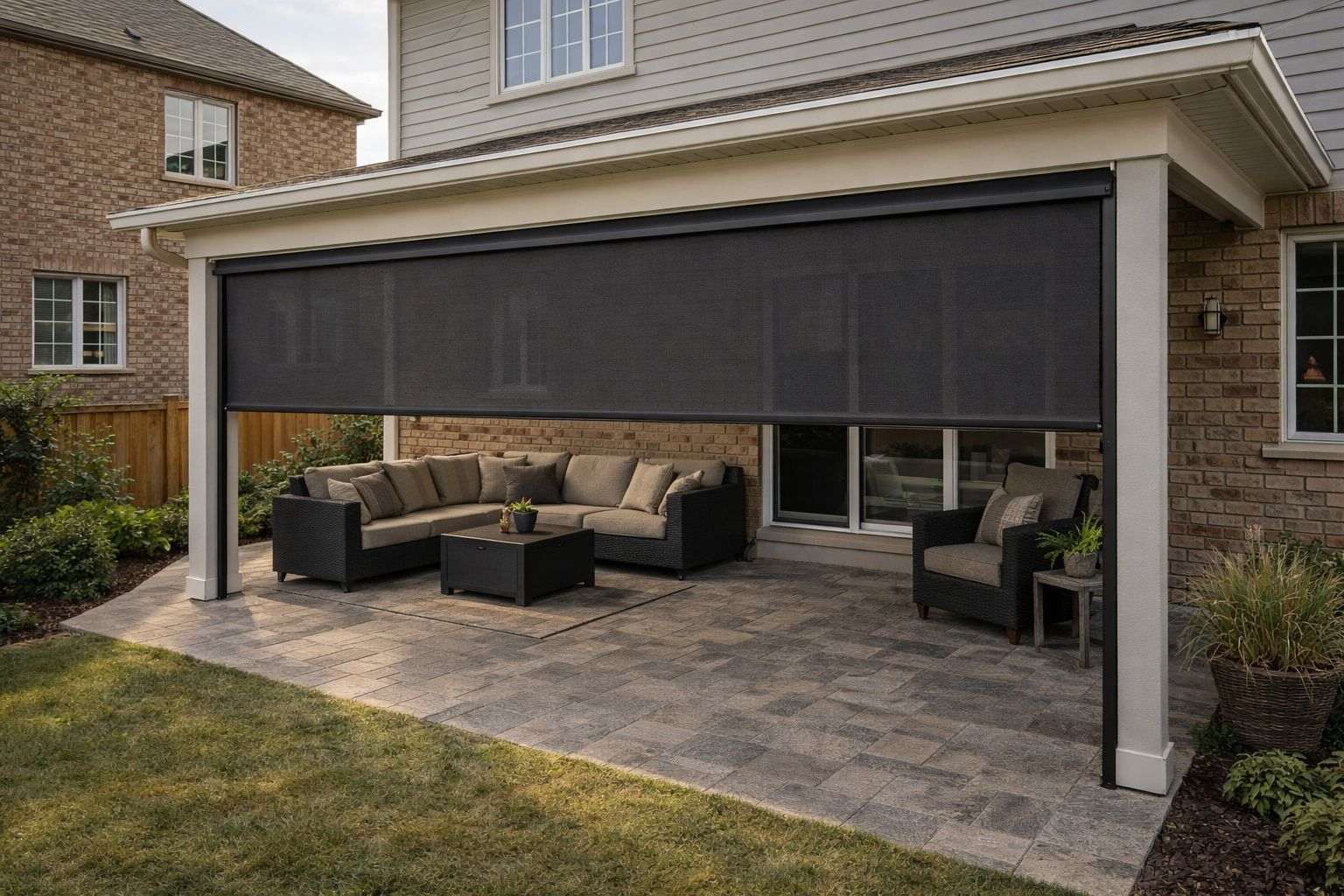
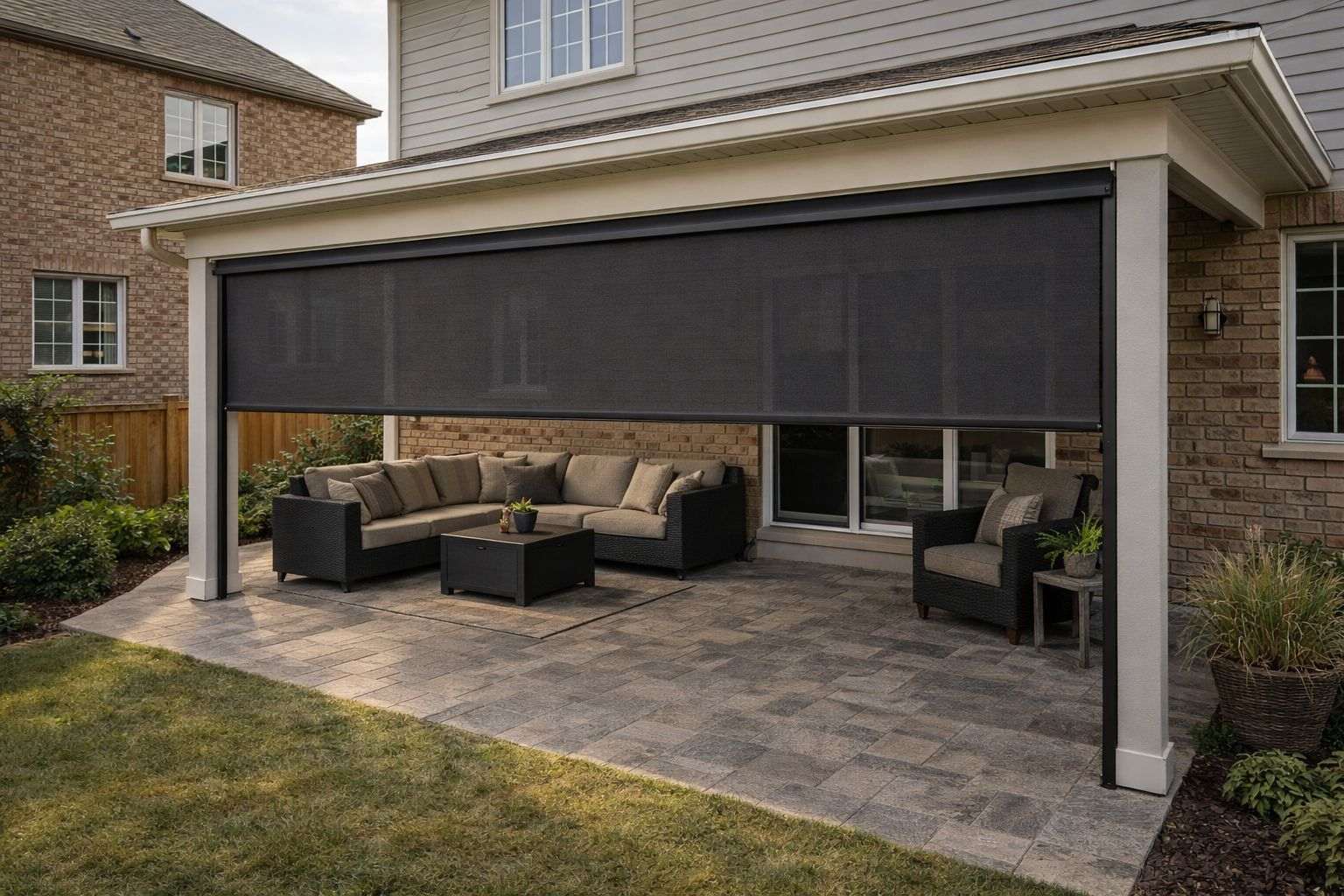
Retractable exterior screens for school courtyards, outdoor learning spaces, staff patios, and campus seating zones. Improve shade, comfort, and sight-line control while keeping the space flexible for day-to-day school use.

More Usable Outdoor Space on Campus

Schools are making more use of courtyards, outdoor learning areas, staff patios, and shared campus seating. Retractable screens help those spaces feel more comfortable without turning them into fixed enclosures.

They improve shade, glare control, and sight-line management while keeping the area flexible for different uses across the day.

How School Projects Typically Work

Approval Timing, Summer Windows, and Supervised Use

School privacy screen projects almost always run through a board facilities review and a defined procurement process rather than a direct homeowner-style decision, which changes both the timeline and the specification detail. Approvals usually touch multiple stakeholders - facilities, administration, and sometimes the board's capital planning function - so the project is planned around those review windows rather than around a target install date alone.

Installations are scheduled for summer windows whenever possible, typically late June through August, so that the work does not conflict with supervised outdoor use during the school year. Specification decisions lean toward motorized grouped controls in larger courtyards and outdoor learning spaces because single-staff operation matters in institutional environments where supervision is continuous and retraction may need to happen quickly in changing weather.

Hardware is usually specified in more durable finishes than a residential project would require, and screen fabric is normally selected for a balance of UV blocking and outward visibility so that supervising staff can maintain clear sightlines across the space. On campuses with more than one courtyard or outdoor learning zone, we coordinate mounting details, motor controls, and finishing hardware across all locations so the long-term maintenance plan is consistent and replacement parts are interchangeable.
Why Schools Add Retractable Screens

Shade for Outdoor Learning

Reduce direct sun and glare in courtyards and teaching spaces that need to stay comfortable during active school hours.

Better Sight-Line Control

Add privacy and visual separation from adjacent properties, parking areas, and busy circulation routes.

Flexible Multi-Use Spaces

Support classes, breaks, supervision, and events without locking the space into one permanent configuration.

Institutional Durability

Specify hardware and controls that suit real campus conditions and day-to-day facilities use.

System Options

Manual and Motorized School Screens

Manual Roll-Up Screens

Manual systems can make sense for smaller school applications such as a contained staff patio or a limited-access side courtyard with one or two openings.

They are less practical for larger shared spaces that need frequent adjustment through the day.


Fabric Options for Your Space

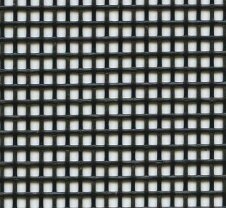
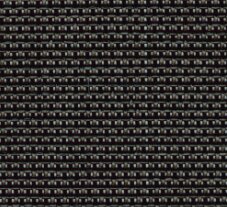
Each fabric performs differently across privacy, view-through, airflow, and UV blocking. We help you choose the right option for the way the space is used.

TuffScreen

Insect & weather protection
45% Openness

Heavy-duty insect mesh with maximum airflow. Neighbours can see through clearly, so privacy is not a feature of this fabric.

Privacy Low
View Through High
Airflow Maximum
UV Blocking 55%

45% Openness

Recommended:

  • Screened-in porch
  • Cottage deck
  • Gazebo ventilation
View Fabric Details

SunTex 90

Solar & light control
10% Openness

Balanced solar screen that cuts heat and glare while preserving reasonable outward visibility from inside the space.

Privacy Some
View Through Medium
Airflow Low
UV Blocking 90%

10% Openness

Recommended:

  • Sun-exposed patio
  • West-facing deck
  • Open backyards
View Fabric Details

SunTex 95

Best all-around choice
5% Openness

Our most popular fabric with solid daytime privacy, excellent UV blocking, and a comfortable filtered-light quality inside.

Privacy High
View Through Low
Airflow Minimal
UV Blocking 95%

5% Openness

Recommended:

  • Backyard patio
  • Pergola enclosure
  • Residential deck
View Fabric Details

SheerWeave 4800

Maximum privacy
1% Openness

Near-opaque daytime privacy with softly diffused interior light. Neighbours cannot make out occupants or furnishings.

Privacy Maximum
View Through Minimal
Airflow None
UV Blocking 99%

1% Openness

Recommended:

  • Urban patio
  • Balcony privacy
  • Street-facing porch
View Fabric Details

Soltis Proof 502

Day & night privacy
0% Openness

Fully opaque fabric that provides complete visual blackout and total weather enclosure from either side, day or night.

Privacy Maximum
View Through None
Airflow None
UV Blocking 100%

0% Openness

Recommended:

  • Day/night privacy
  • Complete blackout
  • Weather protection
View Fabric Details

PanoramaFR

Preserve your view
0% Openness

Near-clear enclosure that preserves your view while blocking weather and UV. Fire rated.

Privacy None
View Through Maximum
Airflow None
UV Blocking <98%

0% Openness

Recommended:

  • Waterfront / scenic view
  • Weather enclosure
  • Fire-rated applications
View Fabric Details

How It Works

The School Screen Project Process

  1. Review the Campus Space

    We start with the intended use of the courtyard or outdoor area, the exposure, and the comfort issues the school is trying to solve.

  2. Measure and Confirm Mounting Conditions

    We measure the openings, review the structure, and confirm the most appropriate mounting and control approach for the site.

  3. Custom Build the System

    Each screen is manufactured to the exact dimensions and operating requirements of the space.

  4. Install and Test

    We install the screens, test the system, and hand over clear operating guidance to the school or facilities team.

Common Questions

School Privacy Screen FAQs

Where are school privacy screens typically installed?

The most common locations are outdoor learning spaces, courtyards, staff patios, supervised seating zones, and campus areas that need better shade or sight-line control.

Can screens help with glare in outdoor learning areas?

Yes. Reducing direct sun and glare is one of the most practical benefits, especially on courtyards and outdoor classrooms that are heavily exposed in the afternoon.

Are motorized systems necessary for schools?

Not always, but they are often the better choice for larger or multi-bay spaces because they are faster and easier for staff to operate consistently.

Do you work with institutional facilities teams?

Yes. We can review the site, confirm the mounting conditions, and provide a system recommendation that suits the practical requirements of the campus.

Make Campus Outdoor Space More Usable

We help schools improve comfort, shade, and privacy in courtyards and outdoor learning areas with retractable screen systems built for institutional use.