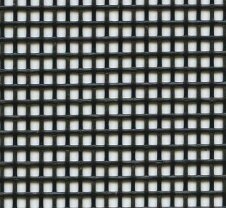
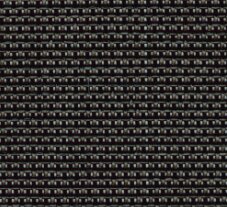
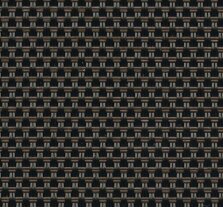
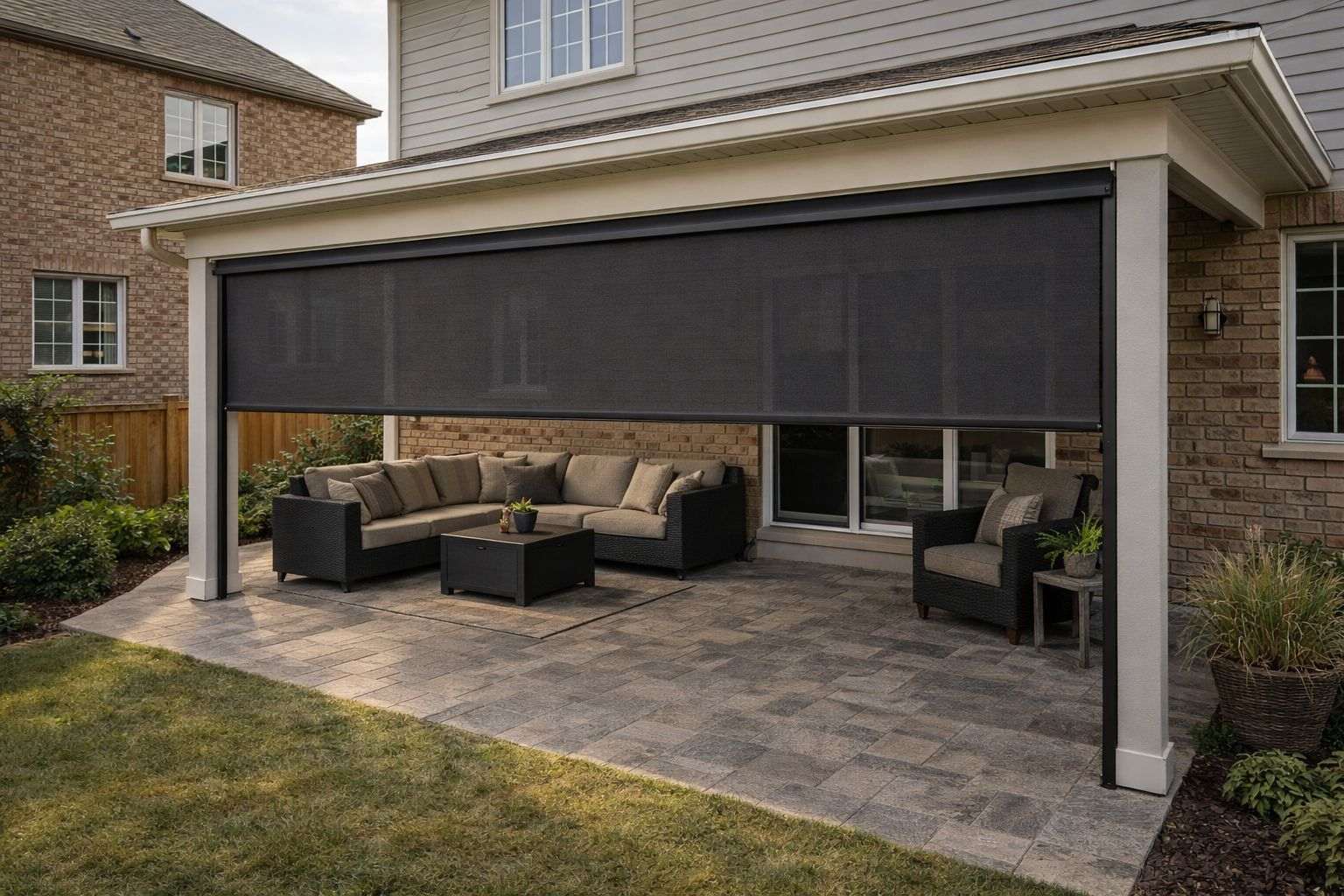
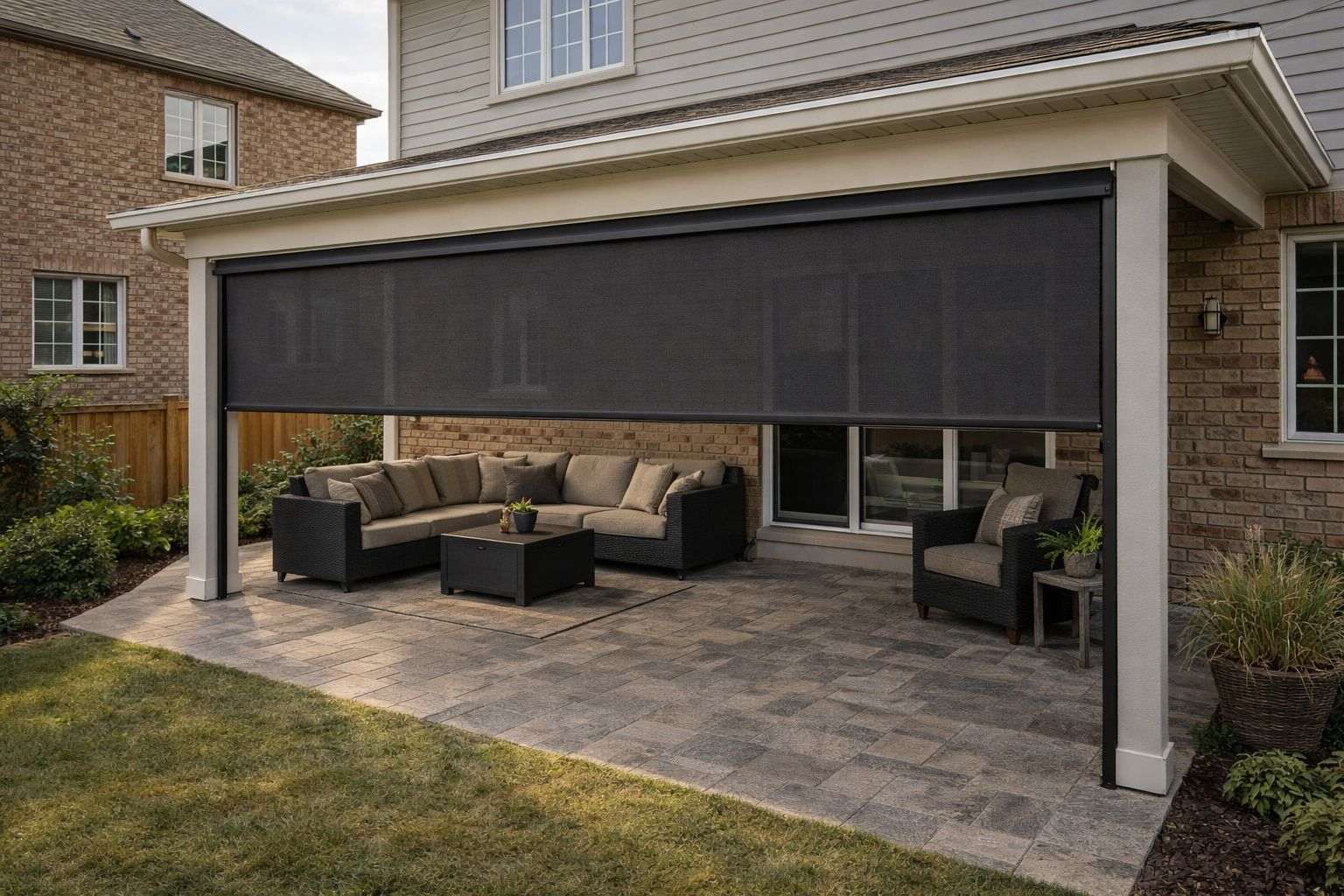
Government and institutional privacy screen projects are typically specified and procured through a formal RFP or tender process rather than a single-contact decision. That shapes the entire timeline: specifications, documentation, and technical detail are prepared at the front of the project so that the procurement team can evaluate the system against referenced performance, finish, warranty, and operational criteria.
We plan around that reality. Site visits focus on the information procurement teams normally need at the specification stage - mounting conditions, power access, finish options, motor control method, warranty terms, and serviceability - so that the project can move cleanly through review. Where accessibility is in scope, we specify hardware and operating methods that work alongside the standard AODA-aligned approaches for municipal and institutional facilities.
On civic, municipal, and public-building projects, installations are often sequenced against multi-year capital plans rather than a single summer window, which means scheduling can happen several months ahead of the actual installation. Motorized grouped controls are the common specification for public-facing outdoor spaces because facilities teams prefer single-point operation that does not rely on visitors or the public operating screens directly. Durability, finish consistency across multiple sites, and long-term availability of replacement parts usually outweigh first-cost considerations at this scale.